










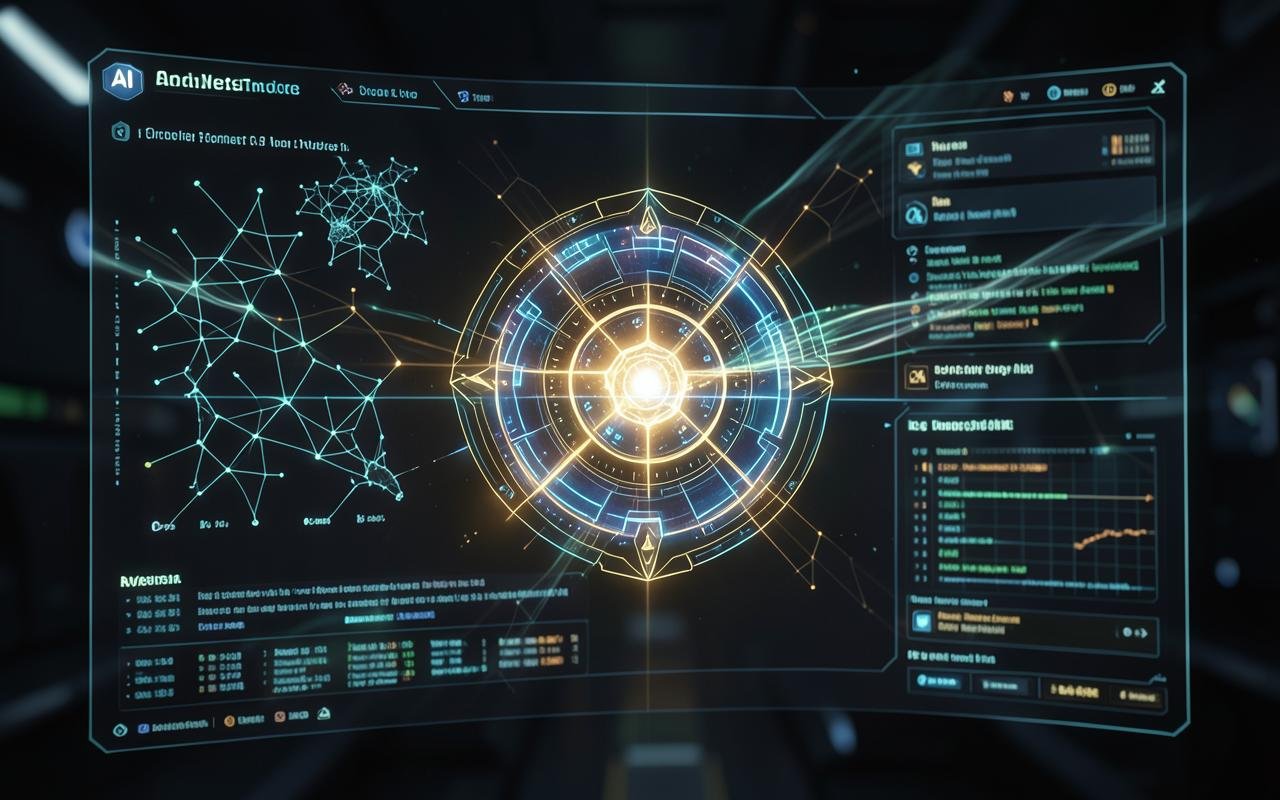
AI DevelopmentAether — Real-Time AI Decision Engine
A real-time AI inference layer that drives NPC behaviour, dynamic difficulty and narrative branching from a single model graph running inside Unreal Engine.
AI Systems
AI systems that plug into your product and do real work.
Overview

AI Development
We build AI systems that do real work inside your product: LLM-powered features, autonomous agents, retrieval pipelines, computer vision and speech — engineered for accuracy, latency and cost.
Models are a component, not the product. We design the system around them — retrieval, tool use, guardrails, evaluation — so outputs are reliable and measurable instead of impressive demos.
We work model-agnostic across OpenAI, Anthropic, Google and open-weight models, choosing per task and keeping your architecture free to switch as the landscape changes.
Building an AI system?
Discuss Your ProjectServices
01LLM Integration & Orchestration
02AI Agents & Tool Use
03RAG Pipelines & Vector Search
04Prompt Engineering & Guardrails
05Fine-Tuning & Model Adaptation
06Document Intelligence & Extraction
07Computer Vision
08Speech: Transcription & Voice
09AI Chat & Copilot Interfaces
10Evaluation, Testing & Monitoring
11Streaming & Real-Time Inference
12API & Product IntegrationPrevious Work
AI DevelopmentA real-time AI inference layer that drives NPC behaviour, dynamic difficulty and narrative branching from a single model graph running inside Unreal Engine.
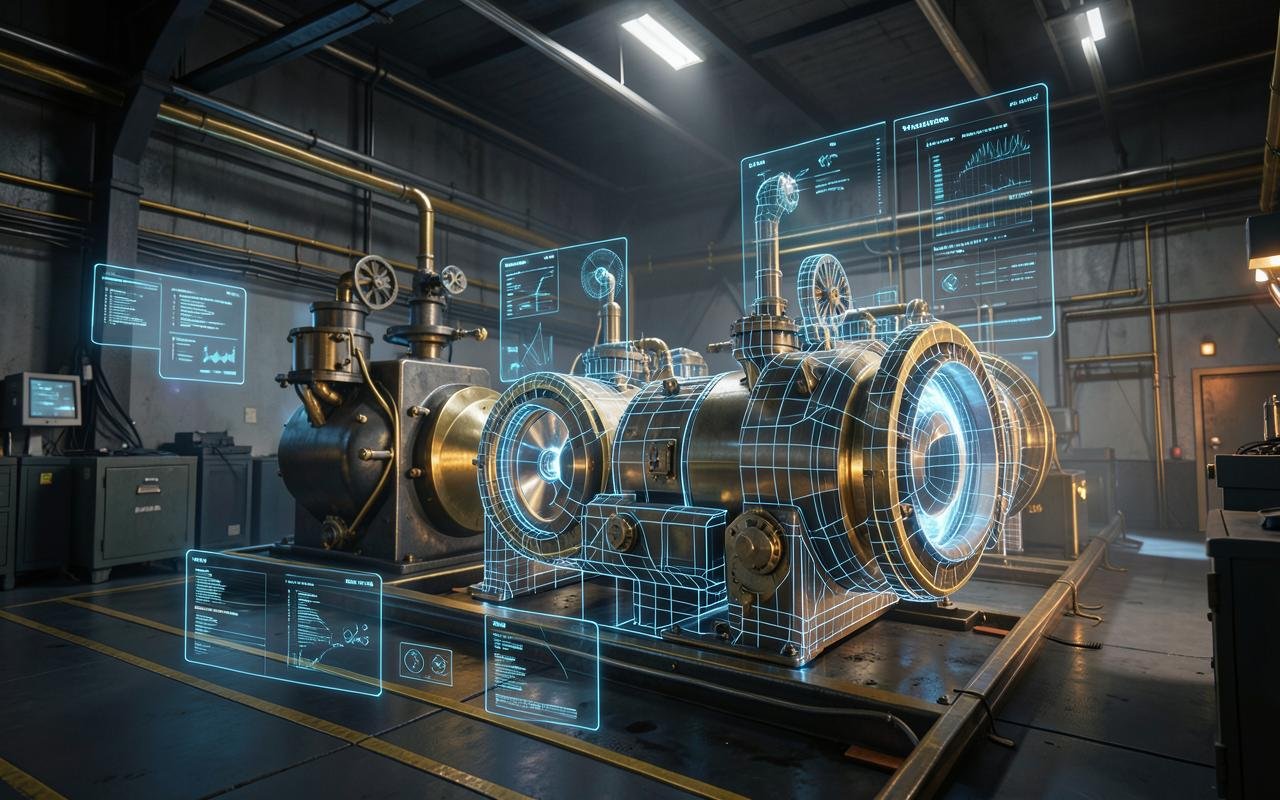
Real-Time 3D VisualizationA live digital twin of a smart factory that mirrors real-time sensor data, visualizes throughput bottlenecks and simulates what-if scenarios in a single real-time scene.
SimulationA multi-user VR and desktop training simulation with scenario authoring, competency scoring and LMS reporting.
Game DevelopmentA data-driven melee and ability combat framework with reactive enemy AI, built as the production foundation for a third-person action title.
Our Approach
We start from the task the AI must perform, its failure modes and the metric that defines good enough — then pick the smallest model that meets it.
Retrieval, structured outputs and guardrails constrain the model, and an automated evaluation suite proves every change improves accuracy instead of guessing.
Latency budgets, streaming responses, caching, cost ceilings, fallbacks and observability are engineered in from the start, not patched after launch.
Use Cases
Related Services
Tell us the task, the data you have and how accuracy will be judged. We'll propose the architecture, models and delivery plan.